10 State

Policy Actions

10 State

Policy Actions

Policy Action
1

Community-Led Redesign

Invest in community-led high school redesign initiatives

Policy Action
1

Community-Led Redesign

Invest in community-led high school redesign initiatives

Policy Action
1

Community-Led Redesign

Invest in community-led high school redesign initiatives

Overview
Overview
Overview

State policymakers can ensure that high school transformation reflects the aspirations and needs of local communities by creating initiatives that explicitly empower local stakeholders—students, families, employers, community and cultural leaders and, of course, educators—to take the lead in the design process.

Unlike conventional “top-down” processes of school redesign or “turnaround,” a truly community-led process can produce stronger school models, and earn community buy-in and support at the same time. The initiative should provide design guidelines, relevant research and data, flexibility and other incentives, and funding that inspire and empower local communities to take on the demanding work of reenvisioning the high school experience of their students.

With the right supports, communities take up this challenge with enthusiasm. When XQ invited communities across the country to engage in a design challenge in 2015, more than 10,000 people representing nearly 4,000 communities across 49 states answered our call to propose student-centered designs for 21st-century learning.


Criteria
Criteria
Criteria

To meet the criteria for this policy action, a state must demonstrate the following:


  1. The state has a grant program or provides other state funding to local communities to support high school design; and


  2. State policy establishes flexibility from outdated rules and requirements (e.g., through waivers or an innovation zone or status) so that high schools and communities are empowered to innovate; and


  3. State policy offers guidance on a design process that ensures high quality and accountability, including requiring participation of a broad range of stakeholders in the high school design journey, including parents, students, educators, business leaders, and community leaders.
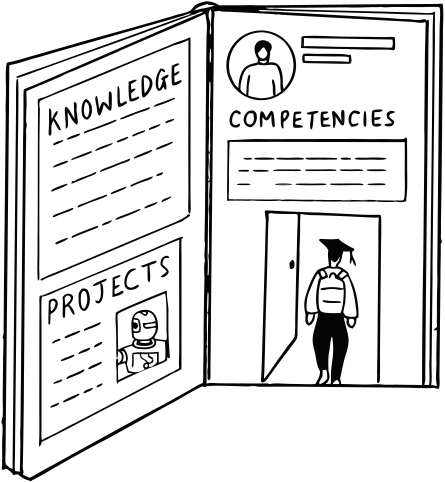
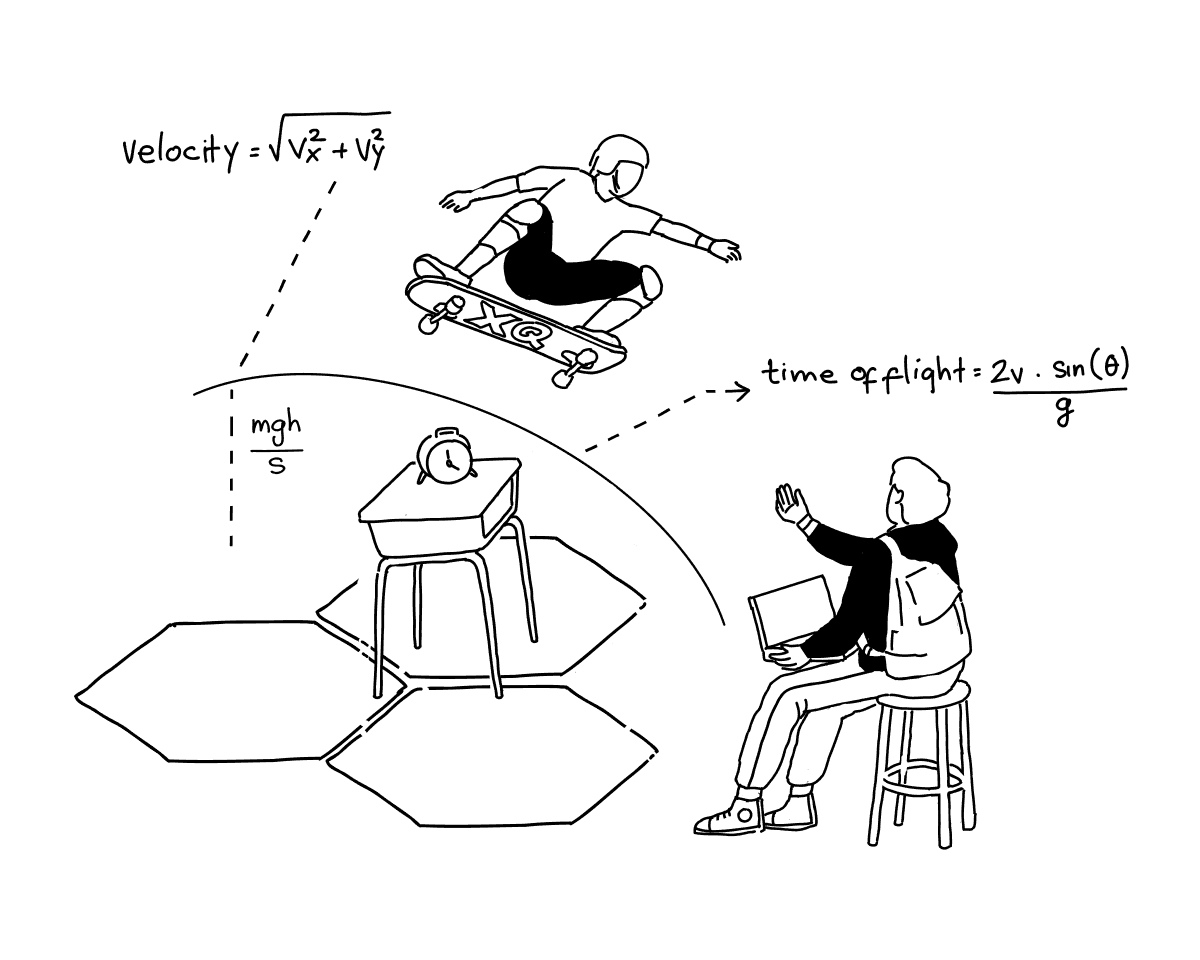
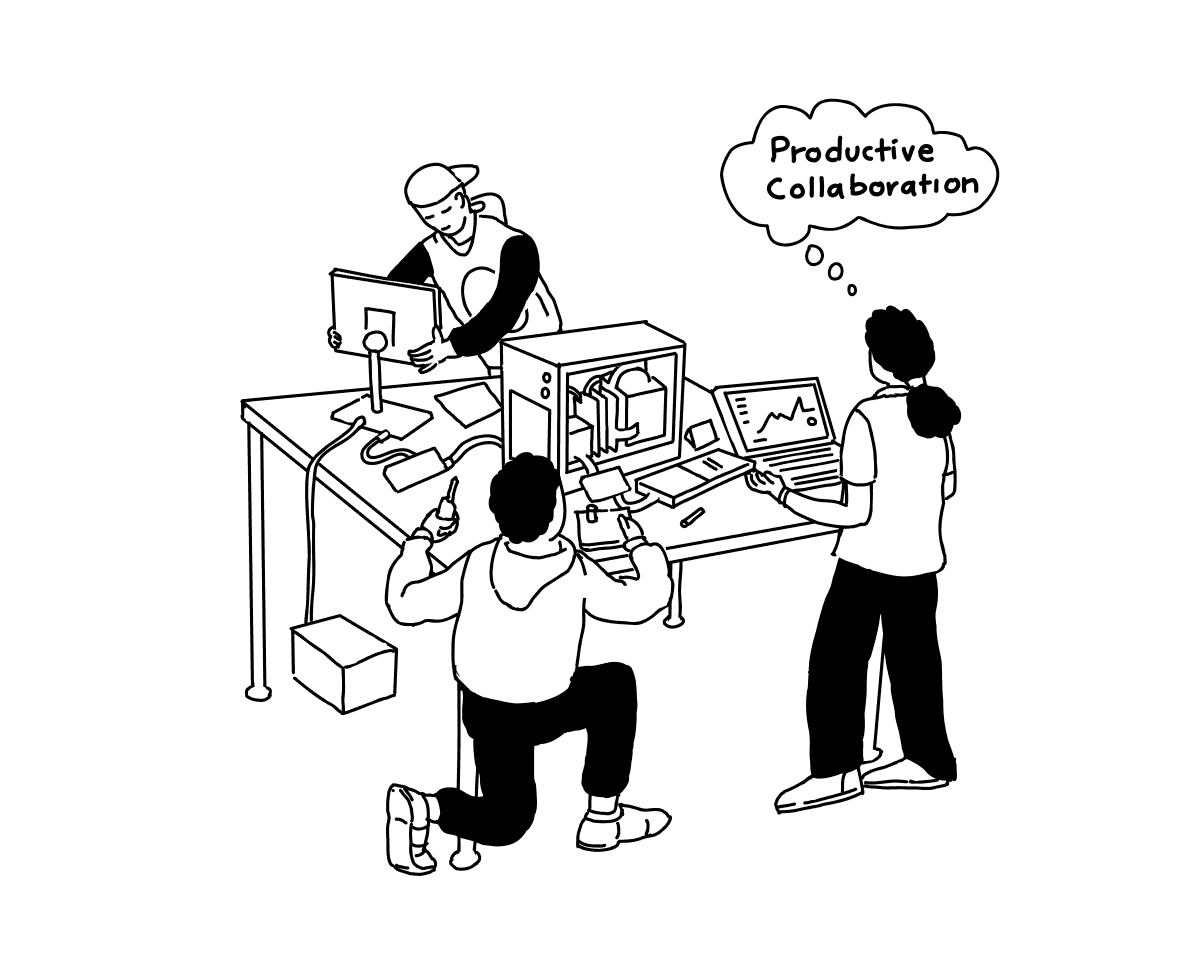
Excellence looks like: students, families, educators, and employers co-creating schools that reflect their community’s strengths and aspirations—empowered by supportive state leadership. Communities and schools continuously improve together so every student leaves high school ready to thrive in new and emerging economies.

Download the How to Be a Frontier for State Excellence Guide here

The National Landscape

Every state and D.C. meets the criteria for at least one policy action.

The National Landscape

Every state and D.C. meets the criteria for at least one policy action.

New Mexico

is leading the way

New Mexico leaders have taken a number of steps to advance high school transformation across the state. Most notably, in January 2022, the New Mexico Department of Education collaborated with the LANL Foundation to publish the New Mexico Comprehensive College and Career Pathways Assessment Report. The report served as the launching pad for the NM Innovation Zones initiative, a statewide effort to transform the state's high schools. During the 2023-24 school year, 47 high schools-approximately 20% of the state's high schools-and their school districts received funding to participate in the NM Innovation Zones initiative to rethink pathways for college and career readiness by leveraging "grassroots solutions with wisdom from local communities." The number of participating high schools and school systems increased to 51 in 2024-25.

Rhode Island

is leading the way

In 2018, Rhode Island partnered with XQ to launch a statewide initiative to rethink high school. The Rl+XQ Challenge featured interactive design sessions that brought together community stakeholders-students, educators, industry partners, and families- to engage in a guided process of rethinking their community's school. Participants from all of the state's 64 public high schools took part. Those initial sessions resulted in 20 schools receiving planning grants in June 2019, with several schools continuing their redesign journey as XQ partner schools. Trinity Academy for the Performing Arts (TAPA) received two-year transformation funding and became part of XQ's Community of Practice, a diverse group of innovative schools nationwide that learns from and with one another, alongside leading education researchers and experts. Rhode Island's partnership with XQ also produced statewide research findings, based on the in-depth Educational Outcomes Audit and Analysis (EOAA), that laid the groundwork for the state's adoption of new Readiness-Based Graduation Requirements. Beginning with the class of 2028, all graduates will be eligible for the University of Rhode Island and Rhode Island College (Policy Action 3).

New Mexico

is leading the way

New Mexico leaders have taken a number of steps to advance high school transformation across the state. Most notably, in January 2022, the New Mexico Department of Education collaborated with the LANL Foundation to publish the New Mexico Comprehensive College and Career Pathways Assessment Report. The report served as the launching pad for the NM Innovation Zones initiative, a statewide effort to transform the state's high schools. During the 2023-24 school year, 47 high schools-approximately 20% of the state's high schools-and their school districts received funding to participate in the NM Innovation Zones initiative to rethink pathways for college and career readiness by leveraging "grassroots solutions with wisdom from local communities." The number of participating high schools and school systems increased to 51 in 2024-25.

Rhode Island

is leading the way

In 2018, Rhode Island partnered with XQ to launch a statewide initiative to rethink high school. The Rl+XQ Challenge featured interactive design sessions that brought together community stakeholders-students, educators, industry partners, and families- to engage in a guided process of rethinking their community's school. Participants from all of the state's 64 public high schools took part. Those initial sessions resulted in 20 schools receiving planning grants in June 2019, with several schools continuing their redesign journey as XQ partner schools. Trinity Academy for the Performing Arts (TAPA) received two-year transformation funding and became part of XQ's Community of Practice, a diverse group of innovative schools nationwide that learns from and with one another, alongside leading education researchers and experts. Rhode Island's partnership with XQ also produced statewide research findings, based on the in-depth Educational Outcomes Audit and Analysis (EOAA), that laid the groundwork for the state's adoption of new Readiness-Based Graduation Requirements. Beginning with the class of 2028, all graduates will be eligible for the University of Rhode Island and Rhode Island College (Policy Action 3).

New Mexico

is leading the way

New Mexico leaders have taken a number of steps to advance high school transformation across the state. Most notably, in January 2022, the New Mexico Department of Education collaborated with the LANL Foundation to publish the New Mexico Comprehensive College and Career Pathways Assessment Report. The report served as the launching pad for the NM Innovation Zones initiative, a statewide effort to transform the state's high schools. During the 2023-24 school year, 47 high schools-approximately 20% of the state's high schools-and their school districts received funding to participate in the NM Innovation Zones initiative to rethink pathways for college and career readiness by leveraging "grassroots solutions with wisdom from local communities." The number of participating high schools and school systems increased to 51 in 2024-25.

Rhode Island

is leading the way

In 2018, Rhode Island partnered with XQ to launch a statewide initiative to rethink high school. The Rl+XQ Challenge featured interactive design sessions that brought together community stakeholders-students, educators, industry partners, and families- to engage in a guided process of rethinking their community's school. Participants from all of the state's 64 public high schools took part. Those initial sessions resulted in 20 schools receiving planning grants in June 2019, with several schools continuing their redesign journey as XQ partner schools. Trinity Academy for the Performing Arts (TAPA) received two-year transformation funding and became part of XQ's Community of Practice, a diverse group of innovative schools nationwide that learns from and with one another, alongside leading education researchers and experts. Rhode Island's partnership with XQ also produced statewide research findings, based on the in-depth Educational Outcomes Audit and Analysis (EOAA), that laid the groundwork for the state's adoption of new Readiness-Based Graduation Requirements. Beginning with the class of 2028, all graduates will be eligible for the University of Rhode Island and Rhode Island College (Policy Action 3).

What you can do

Resources

Establish flexibility from seat time and articulate expectations for student success.
Ensure that student voice is central.
Listen to and learn with your communities.
Encourage partnership.

What you can do

Resources

Establish flexibility from seat time and articulate expectations for student success.
Ensure that student voice is central.
Listen to and learn with your communities.
Encourage partnership.

What you can do

Resources

Establish flexibility from seat time and articulate expectations for student success.
Ensure that student voice is central.
Listen to and learn with your communities.
Encourage partnership.
Keep Exploring

Keep Exploring

Keep Exploring

© 2025 XQ Institute

Privacy Policy

Terms of Use

About XQ

© 2025 XQ Institute

Privacy Policy

Terms of Use

About XQ

XQ Chat

December 17, 2025

Loading Policy Chat...

XQ Chat

December 17, 2025

Loading Policy Chat...