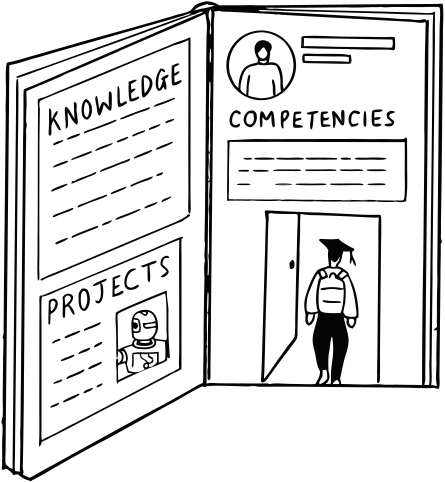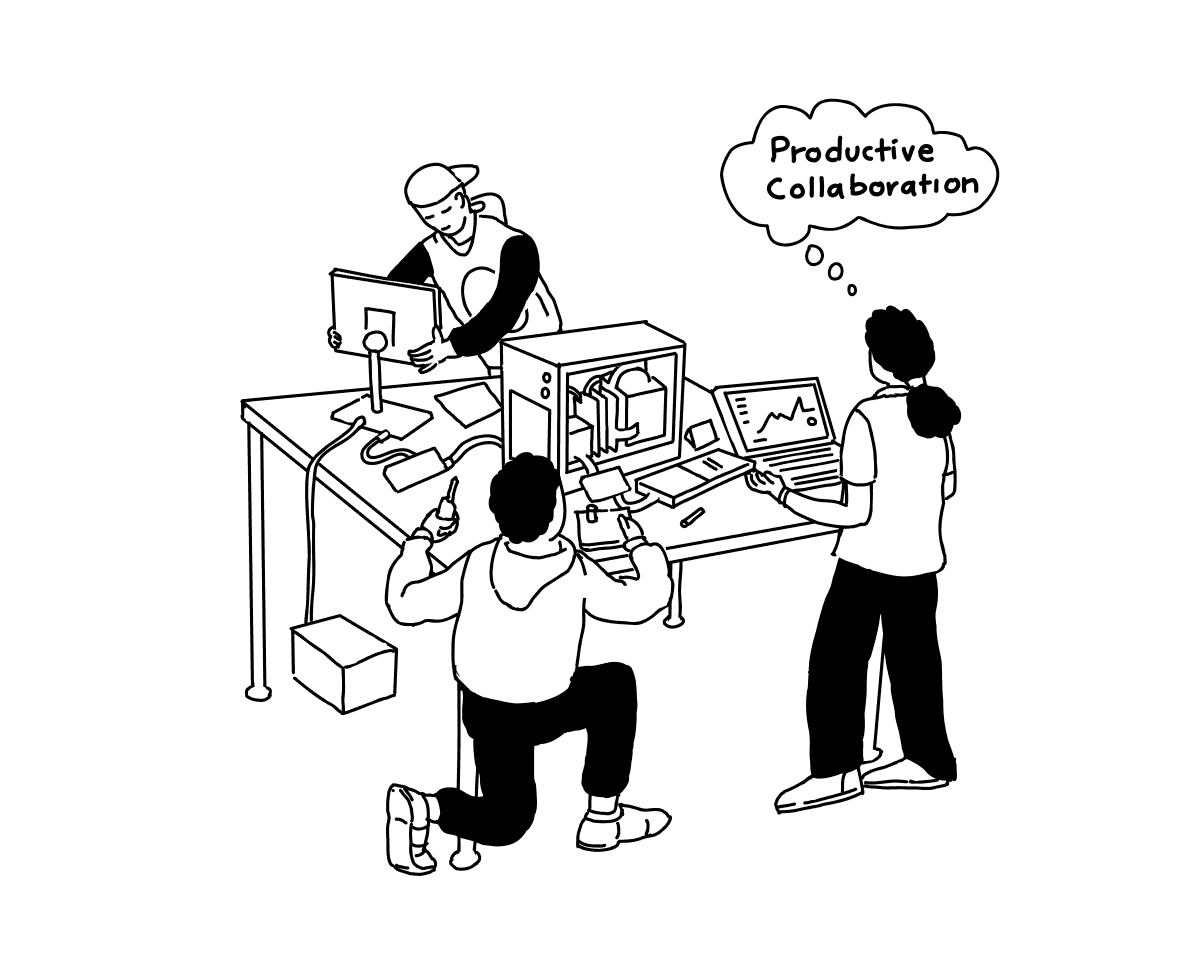
High-quality, work-based learning (WBL) opportunities enable students to explore potential career pathways, gain valuable workplace experience, and graduate with critical knowledge and competencies necessary for success beyond high school.
For Jesus, a 2025 graduate of Latitude High in Oakland, California, a worksite visit during his first year of high school sparked an unexpected passion for aviation. “I really just fell in love as soon as I walked into the hangar,” he recalls. “I learned everything about the airframe of the airplane, the engine parts, everything about the weight and balance and aerodynamics. The whole process of it has been really intriguing to me.”
Jesus pursued his new interest by completing a full internship in an aviation shop. “The whole internship process is based on the student trying to build those connections and network outside of their bubble” says Jesus, who is headed to college in the fall. “I'm really proud of my ability to be professional, and to really grow and be mature.”
Students, parents, and industry leaders place tremendous value on such opportunities. In fact, teens rank “skills for future employment” as the most important thing to learn at school.

But the demand for WBL far exceeds supply. Nearly eight in 10 high school students (79 percent) express interest in participation in work-based learning experiences.Yet only 62 percent of U.S. high schools offer formal WBL programs. Among those schools, a mere 20 percent of students participate, on average, largely because opportunities like internships remain limited. Among parents whose children are not participating in an internship or apprenticeship, 74 percent express interest in such programs—an “unmet demand” that is consistently high across all income levels.
Policymakers on both sides of the aisle have begun to respond to this growing demand. In 2024 alone, state legislatures enacted a total of 46 distinct policies related to WBL and industry partnerships.
Expanding access is a crucial first step—but access alone isn’t enough. To deliver real impact, WBL programs must be high quality. That means offering meaningful, rigorous experiences that build skills and open doors to good jobs in growing fields, all while helping students grow into capable, confident learners.
Unfortunately, when programs lack structure or purpose, students, families, educators, and employers can come away disappointed. __Without a strong learning focus, WBL risks becoming just another version of “seat time.”__
State leaders can safeguard quality by clearly defining what high-quality WBL and youth apprenticeship programs should look like—and by providing guidance and support for effective implementation. They can also ensure that students who complete these programs earn credit toward graduation.
To meet the criteria for this policy action, a state will have:
A published policy or guidance on implementing high-quality work-based learning; and
Clear policies for when and how students earn credit toward graduation upon successful completion of work-based learning experiences; and
A robust definition of high-quality youth apprenticeships
Excellence looks like: every graduate leaves high school with real-world experience, ready for both work and college. Employers and higher education leaders are not just involved, but lead in collaboration with state officials.
Download the How to Be a Frontier for State Excellence Guide here