10 State

Policy Actions

10 State

Policy Actions

Policy Action
1

Next-Generation Assessments

Pilot and scale next-generation assessments of mastery and deeper learning

Policy Action
1

Next-Generation Assessments

Pilot and scale next-generation assessments of mastery and deeper learning

Policy Action
1

Next-Generation Assessments

Pilot and scale next-generation assessments of mastery and deeper learning

Overview
Overview
Overview

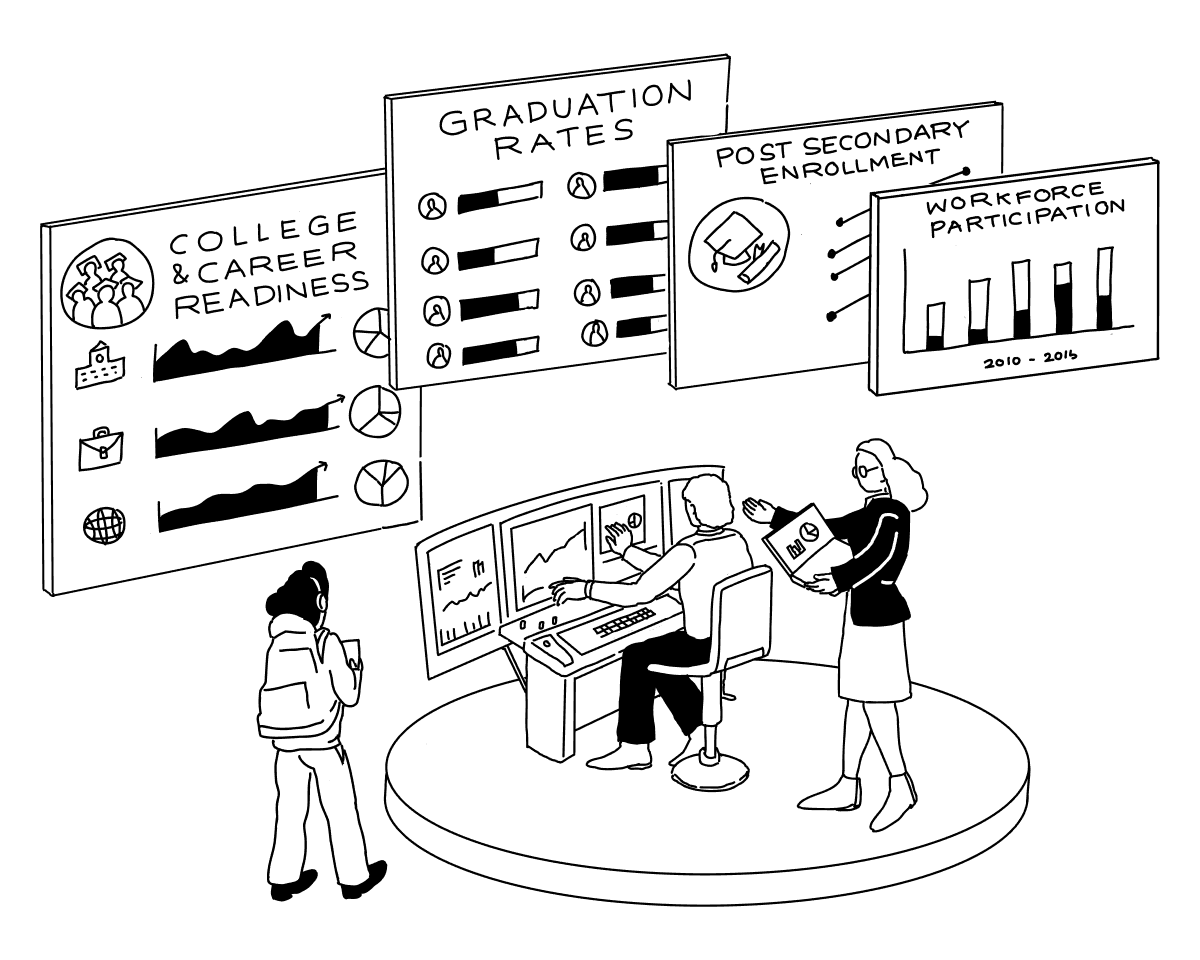
State assessments play a critical role in providing information to leaders, educators, students, and families about the “North Star” of the entire educational enterprise: progress toward attainment of learning goals that equip students for success after high school. However, today’s assessments measure only a slice of the outcomes we want for our students—mastery of academic knowledge and skills in subjects like math, science, and English.

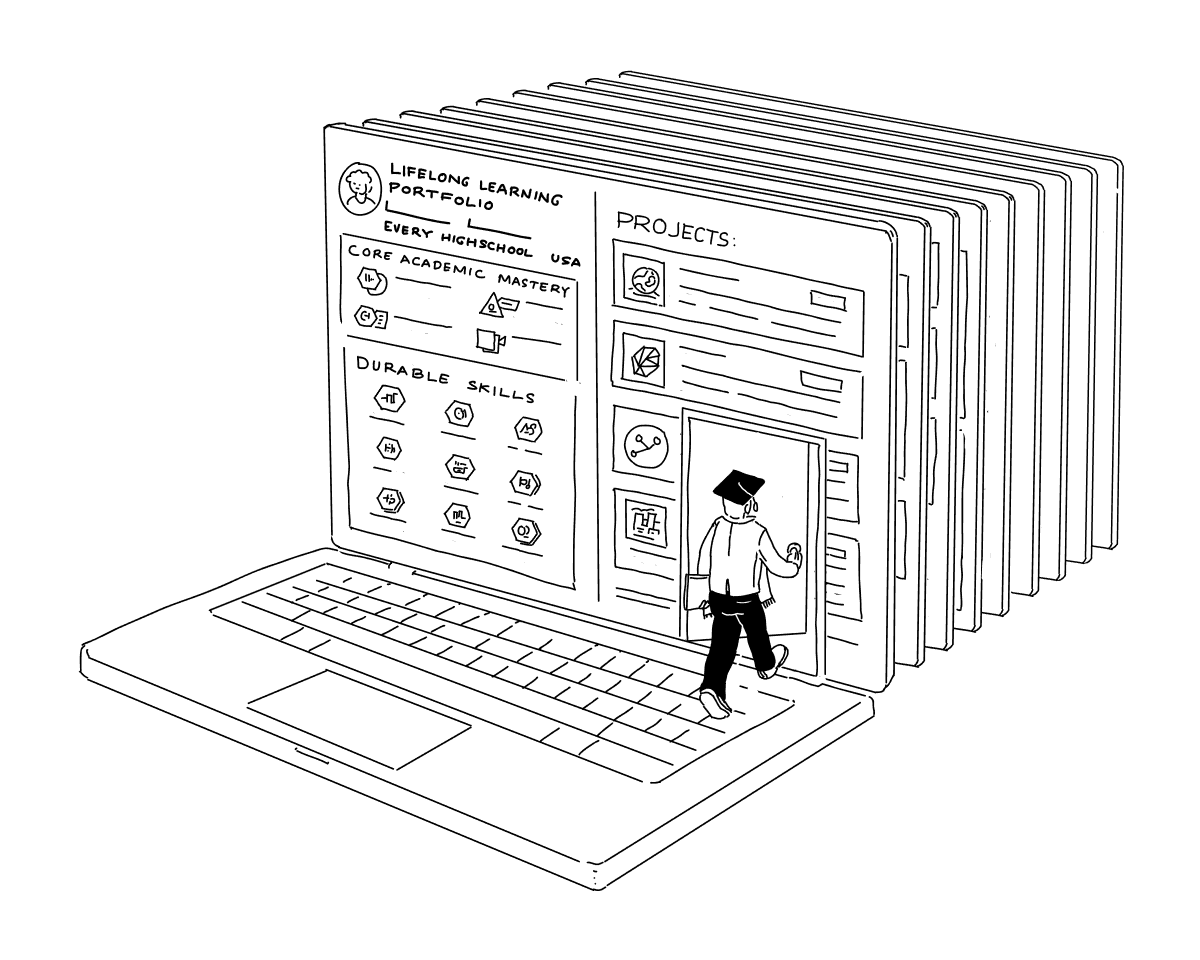
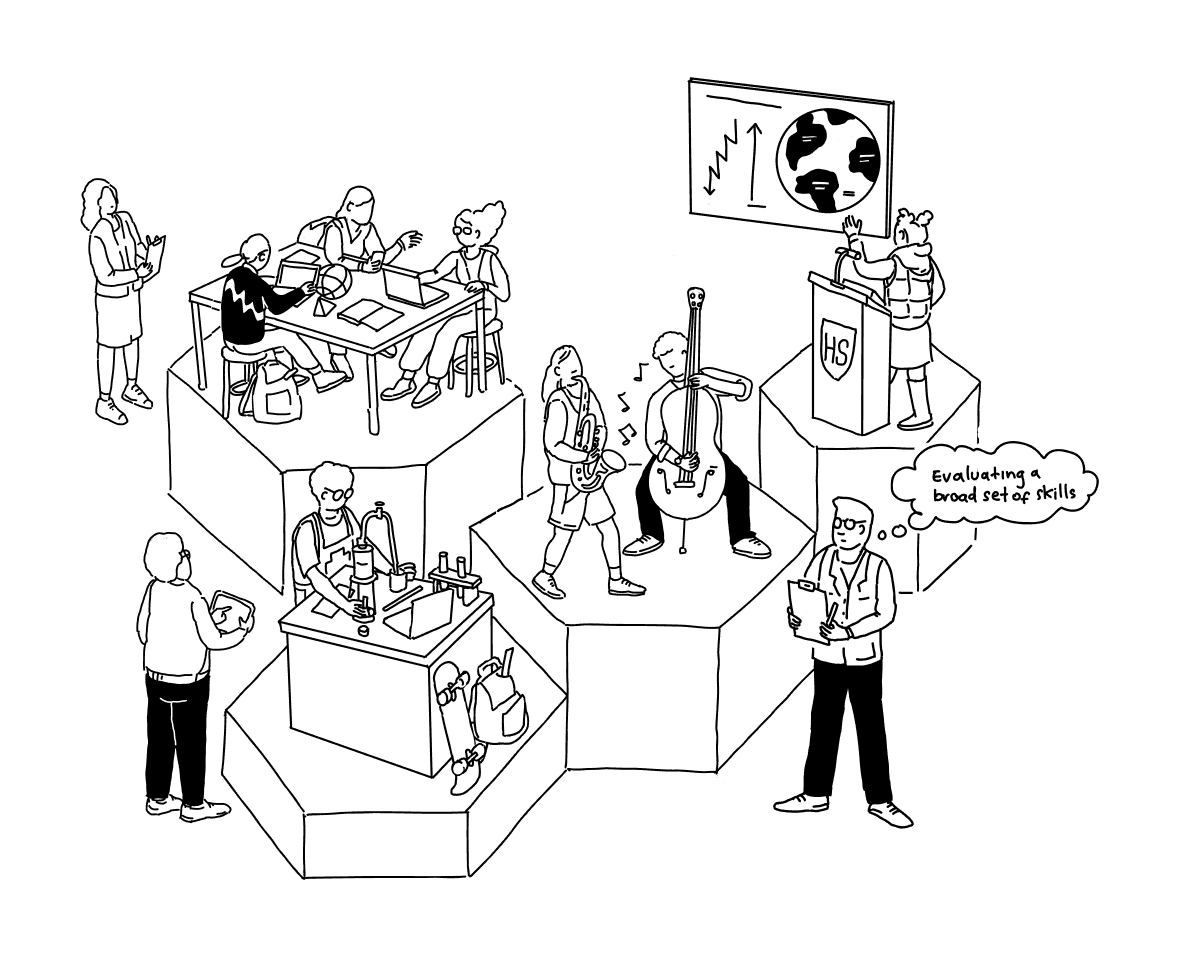
As states adopt core competencies that describe a broader vision of student success (Policy Action 2), they will need to implement next-generation assessments that widen the lens on learning to reliably measure mastery of durable competencies alongside academic knowledge and skills.

Both kinds of learning are vital. Research has long shown that solid academic knowledge and skills—the kind measured by traditional assessments—contribute to greater student success both during and after high school. But recent evidence suggests that durable competencies matter just as much, if not more, especially when combined with strong academic skills.

In addition, today’s statewide assessments tend to capture learning at a single point in time, typically the end of the school year. And the results are often released too late to provide actionable feedback to teachers, students, and families. According to a 2023 survey conducted by Education Week, only 25 percent of classroom educators believe state-mandated academic assessments are useful to the teachers in their school.

States need new kinds of assessment solutions—ones that are more integrated into daily learning, provide frequent and actionable feedback, and capture both academic knowledge and durable competencies.

Some leading states are already advancing this work. Several are piloting “badging” systems, including participants in the XQ Math Badging initiative. Others are exploring innovative methods to assess problem-solving and critical thinking.

For example, five states are partnering with the Carnegie Foundation for the Advancement of Teaching and ETS to co-design and pilot new tools that assess both durable competencies and academic content. In 2025, the partners launched pilots focused on three core competencies: collaboration, communication, and critical thinking. The partnership is exploring how to capture evidence from oral, written, and digital student work, and experimenting with cutting-edge assessment modules such as AI-driven simulations.

Let’s be clear: Developing these next-generation assessments will require time, resources, expertise, and cross-sector collaboration. But emerging technologies—like simulations, gaming, and virtual reality—are expanding what’s possible. And the work already underway in leading states promises significant progress over the next few years.

Criteria
Criteria
Criteria

To meet the criteria for this policy action, a state must be:


  1. Implementing next-generation high school assessments that measure essential academic knowledge and skills coupled with durable competencies (for example, the kinds of competencies captured in a state’s Portrait of a Graduate or student competency framework, as described in Policy Action 2).
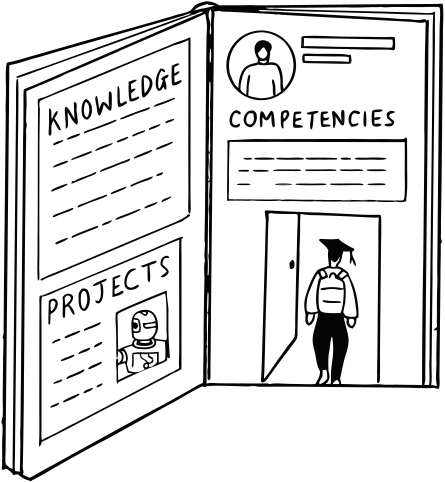
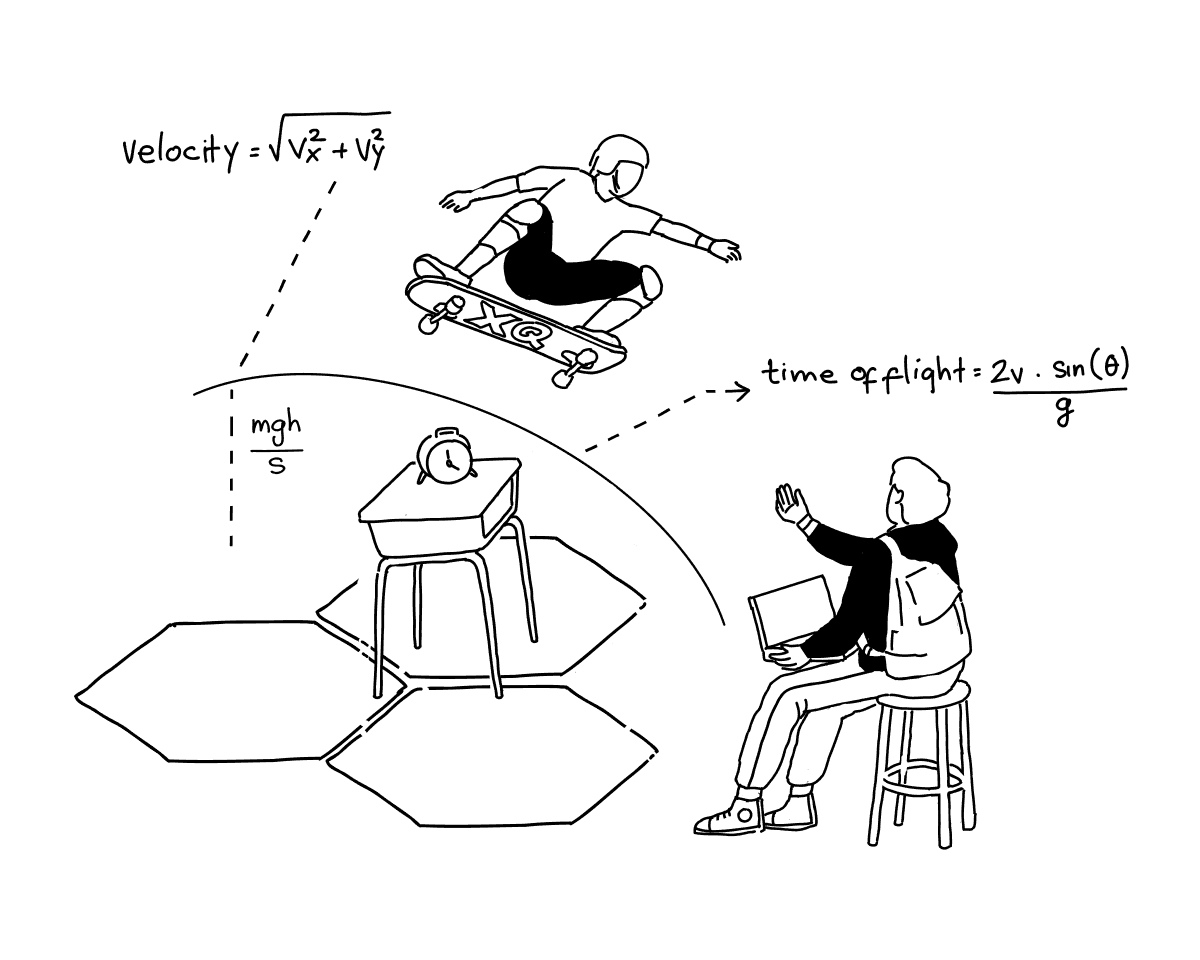
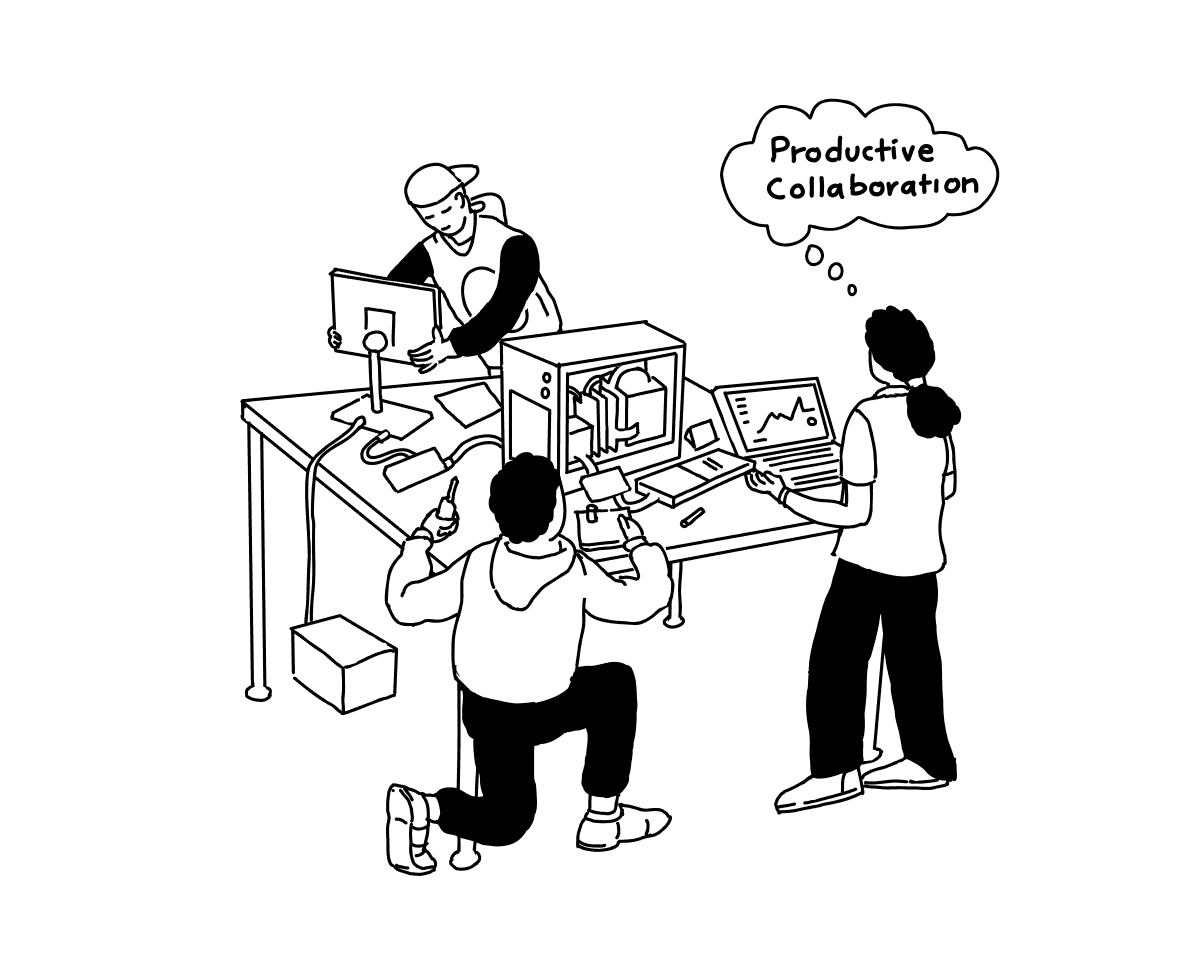
Excellence looks like: tests that reveal true readiness, not just memorization. Educators and school leaders deploy today’s technologies to make possible the previously impossible. Assessments are based on simulations and authentic student work, and assessment is ongoing and conducted in real time, rather than high stakes tests given once a year.

Download the How to Be a Frontier for State Excellence Guide here

The National Landscape

Every state and D.C. meets the criteria for at least one policy action.

The National Landscape

Every state and D.C. meets the criteria for at least one policy action.

Idaho

is leading the way

State leaders in Idaho have established a strong foundation for high school transformation by adopting seat time ftexibility, developing a set of college and career readiness competencies, and ensuring that students who earn a diploma are eligible for the state's institutions of higher education. Building on this foundation, in 2022 state leaders embarked on an exciting initiative in partnership with the XQ Institute to rethink high school math with a focus on demonstrations of student learning through new approaches to assessment. Idaho's Math Badging pilot program explores the use of a competency-based math framework and aligned assessments to rethink students' third year of math coursework and build stronger career pathways for students. Rather than testing the ability to memorize formulas, performance assessments ask participating students to model real-world problems to demonstrate their mastery of rigorous math concepts and earn badges that might ultimately inform the redesign of student transcripts (Policy Action 9).

Indiana

is leading the way

Five states—Indiana, Nevada, North Carolina, Rhode Island, and Wisconsin—have partnered with the Carnegie Foundation and ETS to co-develop and pilot next-generation assessment tools. Critically, these states aren’t just offering pilot sites. Instead, “state partners are actively engaged at each step of the process—from developing and testing through implementation.” The first pilots—focused on assessing critical thinking, collaboration, and communication skills—launched in early 2025.

Idaho

is leading the way

State leaders in Idaho have established a strong foundation for high school transformation by adopting seat time ftexibility, developing a set of college and career readiness competencies, and ensuring that students who earn a diploma are eligible for the state's institutions of higher education. Building on this foundation, in 2022 state leaders embarked on an exciting initiative in partnership with the XQ Institute to rethink high school math with a focus on demonstrations of student learning through new approaches to assessment. Idaho's Math Badging pilot program explores the use of a competency-based math framework and aligned assessments to rethink students' third year of math coursework and build stronger career pathways for students. Rather than testing the ability to memorize formulas, performance assessments ask participating students to model real-world problems to demonstrate their mastery of rigorous math concepts and earn badges that might ultimately inform the redesign of student transcripts (Policy Action 9).

Indiana

is leading the way

Five states—Indiana, Nevada, North Carolina, Rhode Island, and Wisconsin—have partnered with the Carnegie Foundation and ETS to co-develop and pilot next-generation assessment tools. Critically, these states aren’t just offering pilot sites. Instead, “state partners are actively engaged at each step of the process—from developing and testing through implementation.” The first pilots—focused on assessing critical thinking, collaboration, and communication skills—launched in early 2025.

Idaho

is leading the way

State leaders in Idaho have established a strong foundation for high school transformation by adopting seat time ftexibility, developing a set of college and career readiness competencies, and ensuring that students who earn a diploma are eligible for the state's institutions of higher education. Building on this foundation, in 2022 state leaders embarked on an exciting initiative in partnership with the XQ Institute to rethink high school math with a focus on demonstrations of student learning through new approaches to assessment. Idaho's Math Badging pilot program explores the use of a competency-based math framework and aligned assessments to rethink students' third year of math coursework and build stronger career pathways for students. Rather than testing the ability to memorize formulas, performance assessments ask participating students to model real-world problems to demonstrate their mastery of rigorous math concepts and earn badges that might ultimately inform the redesign of student transcripts (Policy Action 9).

Indiana

is leading the way

Five states—Indiana, Nevada, North Carolina, Rhode Island, and Wisconsin—have partnered with the Carnegie Foundation and ETS to co-develop and pilot next-generation assessment tools. Critically, these states aren’t just offering pilot sites. Instead, “state partners are actively engaged at each step of the process—from developing and testing through implementation.” The first pilots—focused on assessing critical thinking, collaboration, and communication skills—launched in early 2025.

What you can do

Resources

As a starting point, identify the core competencies necessary for high school graduates (Policy Action 2).
Grant all districts flexibility to credit learning based on competency rather than seat time (Policy Action 1).
Invest in community-led high school redesign along with professional development tools and resources for educators (Policy Actions 4 and 7).
Pilot the design and implementation of assessments with local districts and educators.

What you can do

Resources

As a starting point, identify the core competencies necessary for high school graduates (Policy Action 2).
Grant all districts flexibility to credit learning based on competency rather than seat time (Policy Action 1).
Invest in community-led high school redesign along with professional development tools and resources for educators (Policy Actions 4 and 7).
Pilot the design and implementation of assessments with local districts and educators.

What you can do

Resources

As a starting point, identify the core competencies necessary for high school graduates (Policy Action 2).
Grant all districts flexibility to credit learning based on competency rather than seat time (Policy Action 1).
Invest in community-led high school redesign along with professional development tools and resources for educators (Policy Actions 4 and 7).
Pilot the design and implementation of assessments with local districts and educators.
Keep Exploring

Keep Exploring

Keep Exploring

© 2025 XQ Institute

Privacy Policy

Terms of Use

About XQ

© 2025 XQ Institute

Privacy Policy

Terms of Use

About XQ

XQ Chat

December 17, 2025

Loading Policy Chat...

XQ Chat

December 17, 2025

Loading Policy Chat...