Overview
What It Means
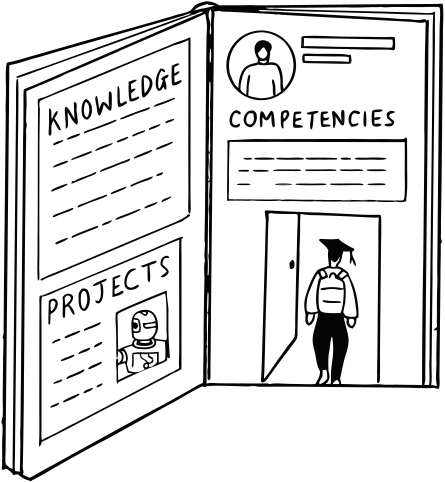
Students earn course credit for what they know and can do—not how long they spend in classrooms.
Why It Matters
For too long, state policies have tied course credit to “seat time”—the number of hours students spend in a course, regardless of how much they actually learn. As a result, many students graduate without having mastered the knowledge and skills needed to succeed in college and the modern workplace. States can shift the focus from seat time to learning by permitting all school districts to grant credit for mastery rather than minutes.
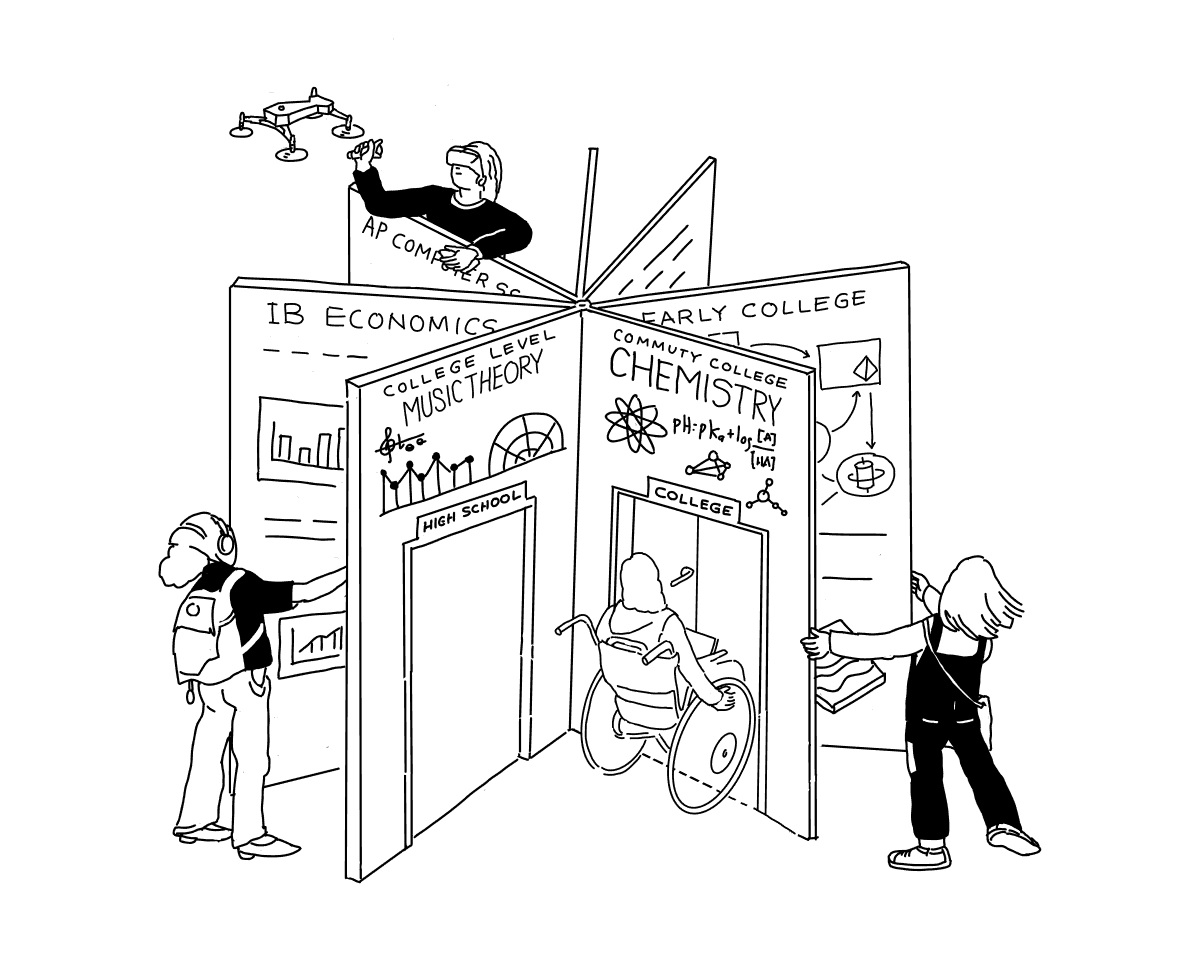
This is a critical step toward unlocking high school transformation. All 50 states provide some form of flexibility from seat time requirements. Yet in many cases, that comes with conditions: a district must apply for a waiver from the state, or flexibility is granted as an accommodation to individual students. Such policies are too limited to catalyze schoolwide transformation.
Criteria
In order to meet the criteria for this policy action, the policy must:
Grant all districts automatic permission to award credit for learning, not seat time, without the need for waivers.
Allow districts to award mastery-based credits on a schoolwide basis, not just to individual students on a case-by-case basis.
Be clear and explicit enough for educators to be sure they are in compliance with state rules for awarding credits and granting diplomas.